mobility · 2021
Moving FreeNow design system to the next level
Turning a single-team component library into an open-source design system with a solid token architecture, governance, and contribution model
- Role
- Senior Product Designer
- Company
- FreeNow
- Component Variants
- 3,300
Company and product
FreeNow (formerly mytaxi) is one of Europe's leading multi-mobility platforms, operating across 9 European countries. Multiple product squads ship in parallel against a shared design language called Wave, which the team develops and maintains as an open-source project.

Challenge
As the product organisation grew, the design system struggled to keep pace. The component library lived in Sketch while the team and tooling had moved on. There was no shared language between design and code, no formal process for contributing or releasing updates, and no visibility into whether teams were using the system or finding it useful.
Process
Migration to Figma
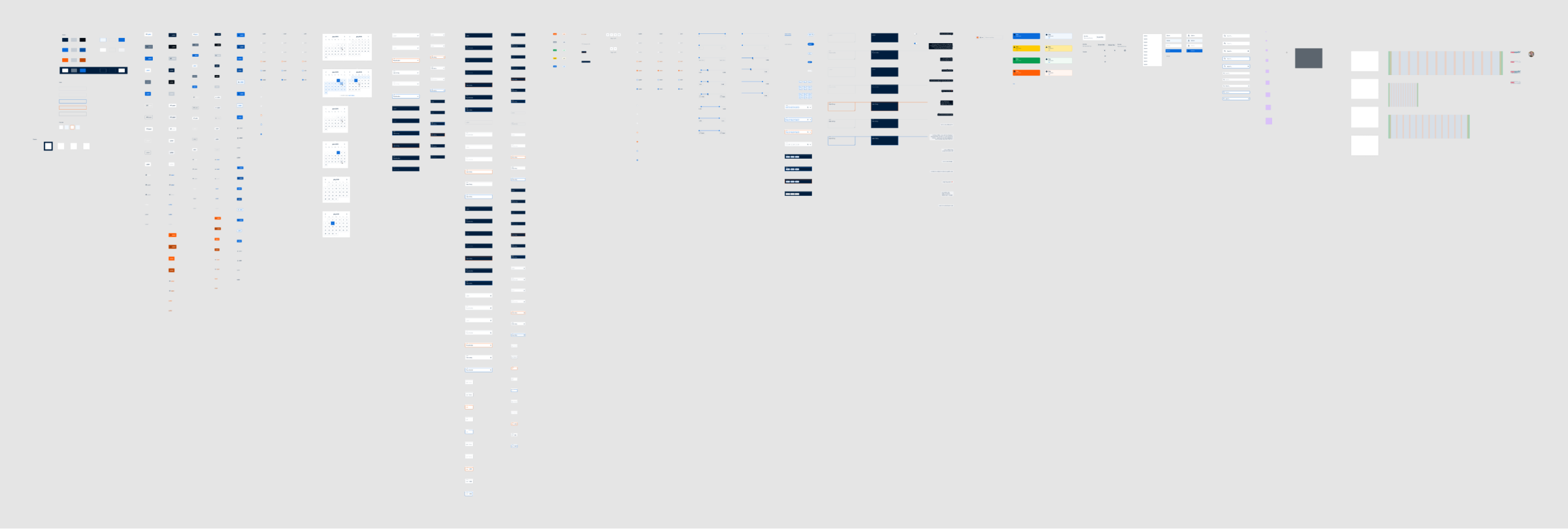
Figma's native Sketch import produced unreliable results for a complex component library, so all components were rebuilt from scratch. All 50 components and 3,300 variants were completed in two weeks.
Token architecture
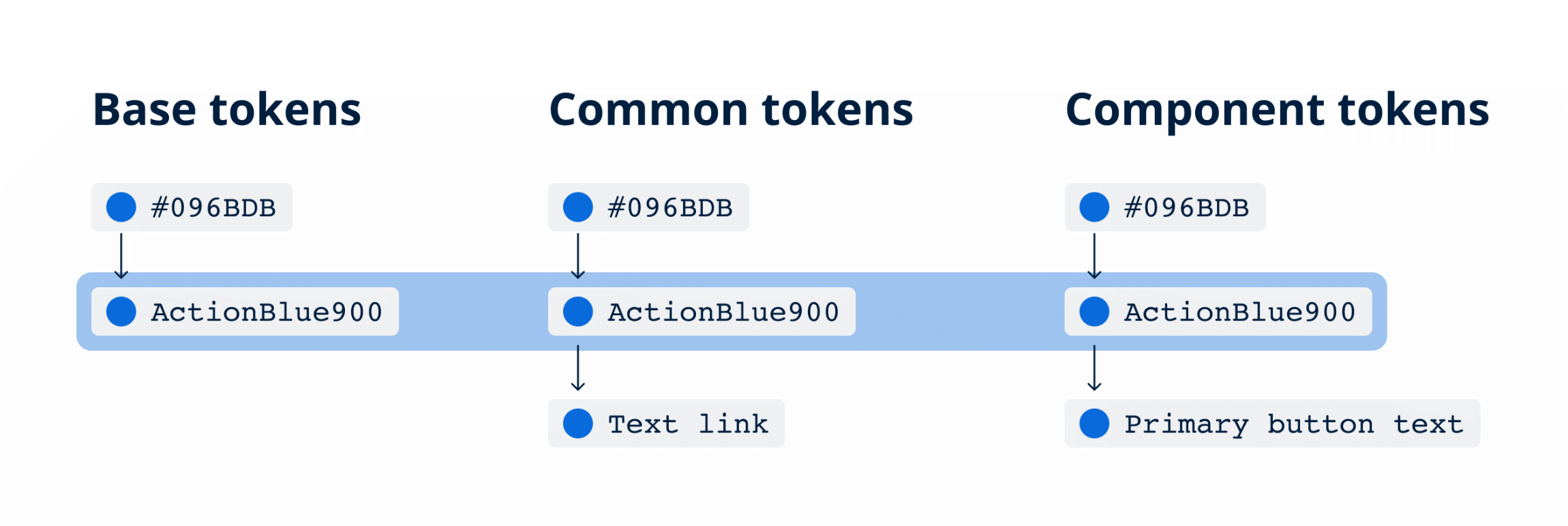
A three-tier token system was introduced: Base tokens (primitives), Common tokens (used directly in designs), and Component tokens (scoped to individual components). This structure gave the system both flexibility and predictability at scale.
Naming conventions
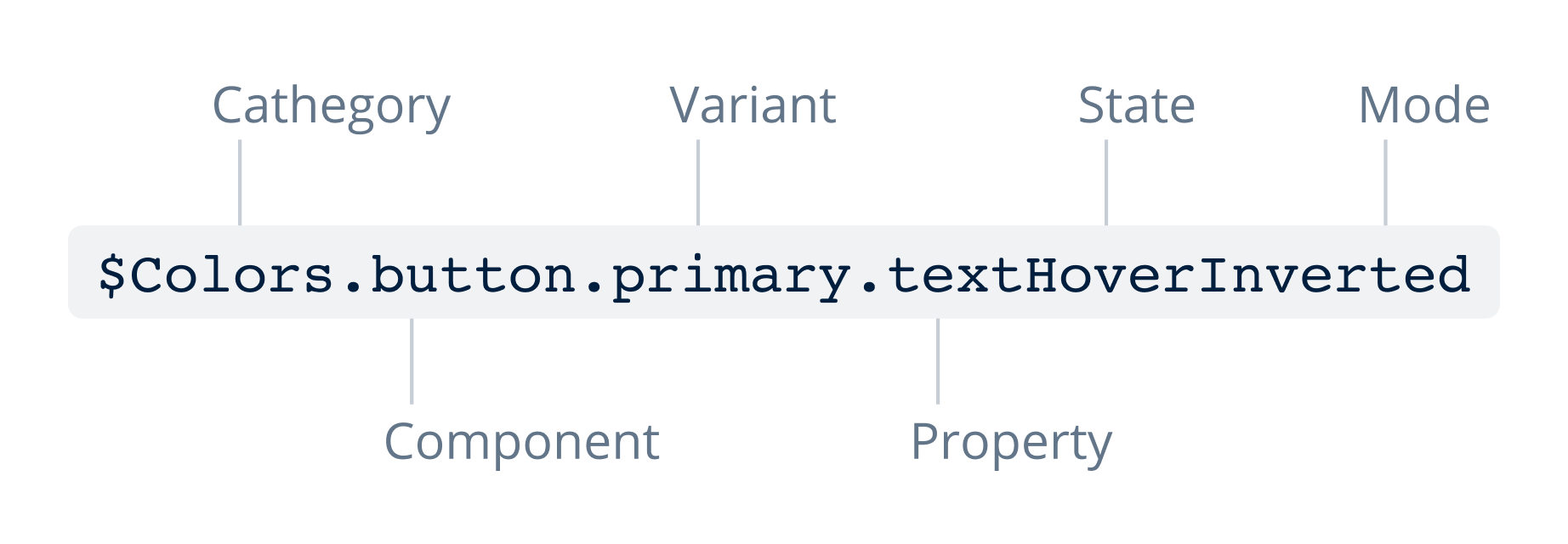
In collaboration with engineers, a unified naming convention was defined for tokens, components, and their props, aligning Figma naming directly with code structure to reduce handoff friction.
Documentation
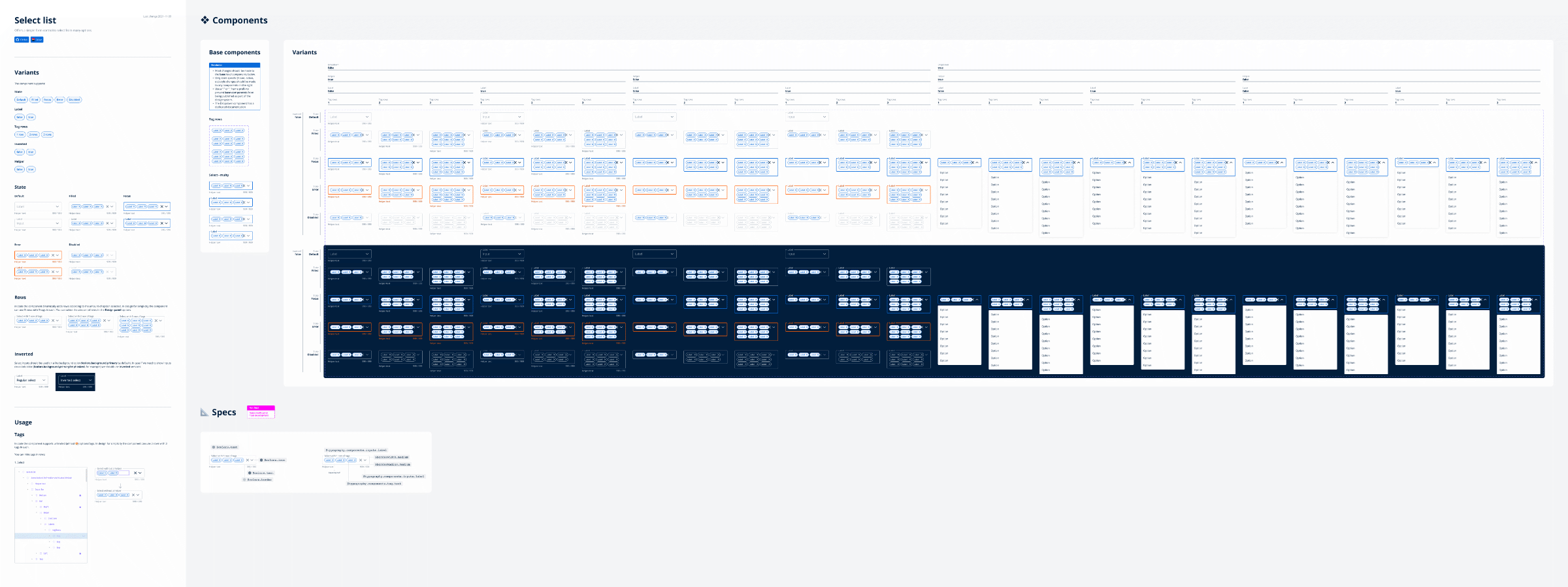
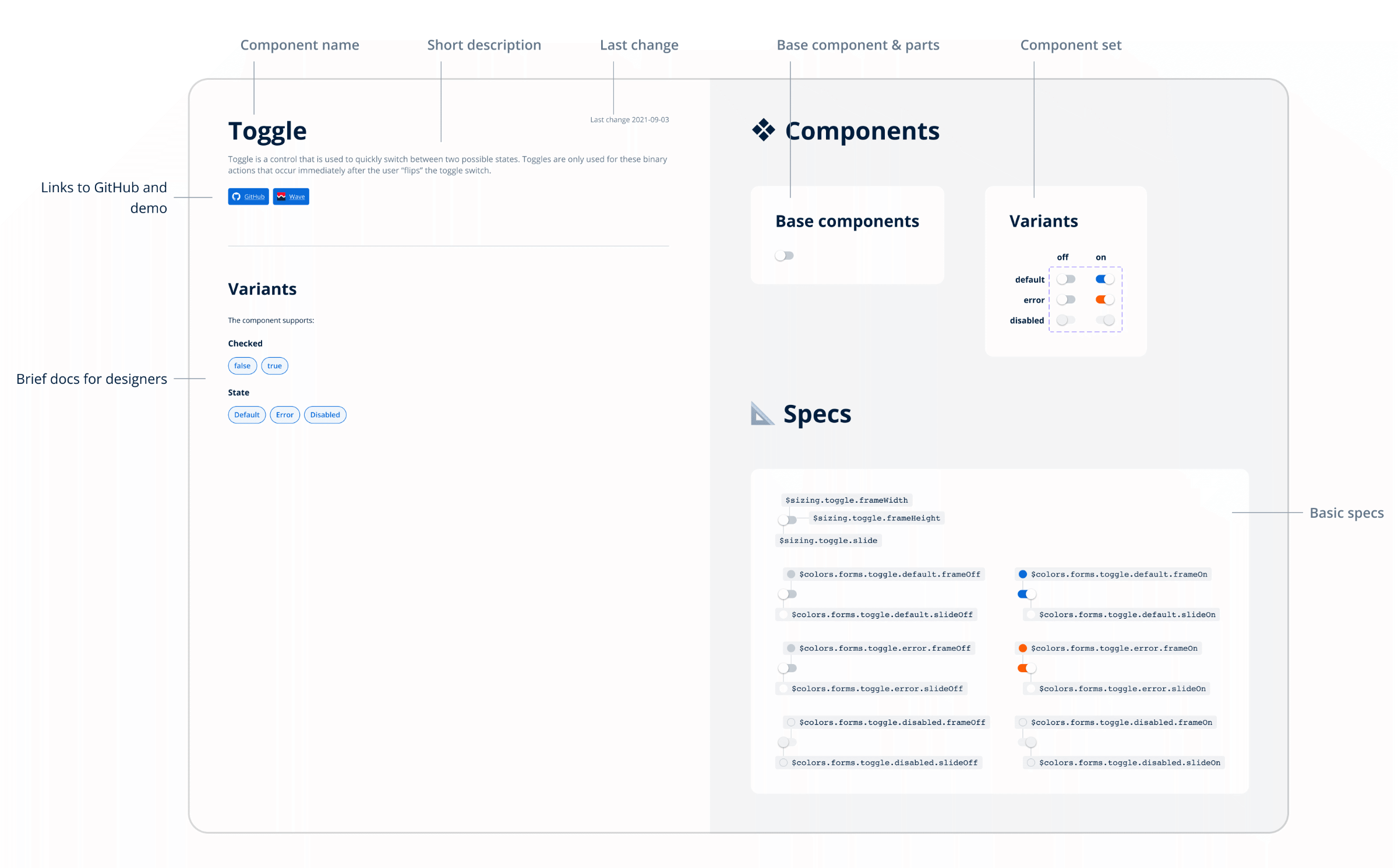
A documentation framework was introduced in Figma, including reusable templates that made it straightforward for designers to create and document new components consistently.
Contribution process and releases
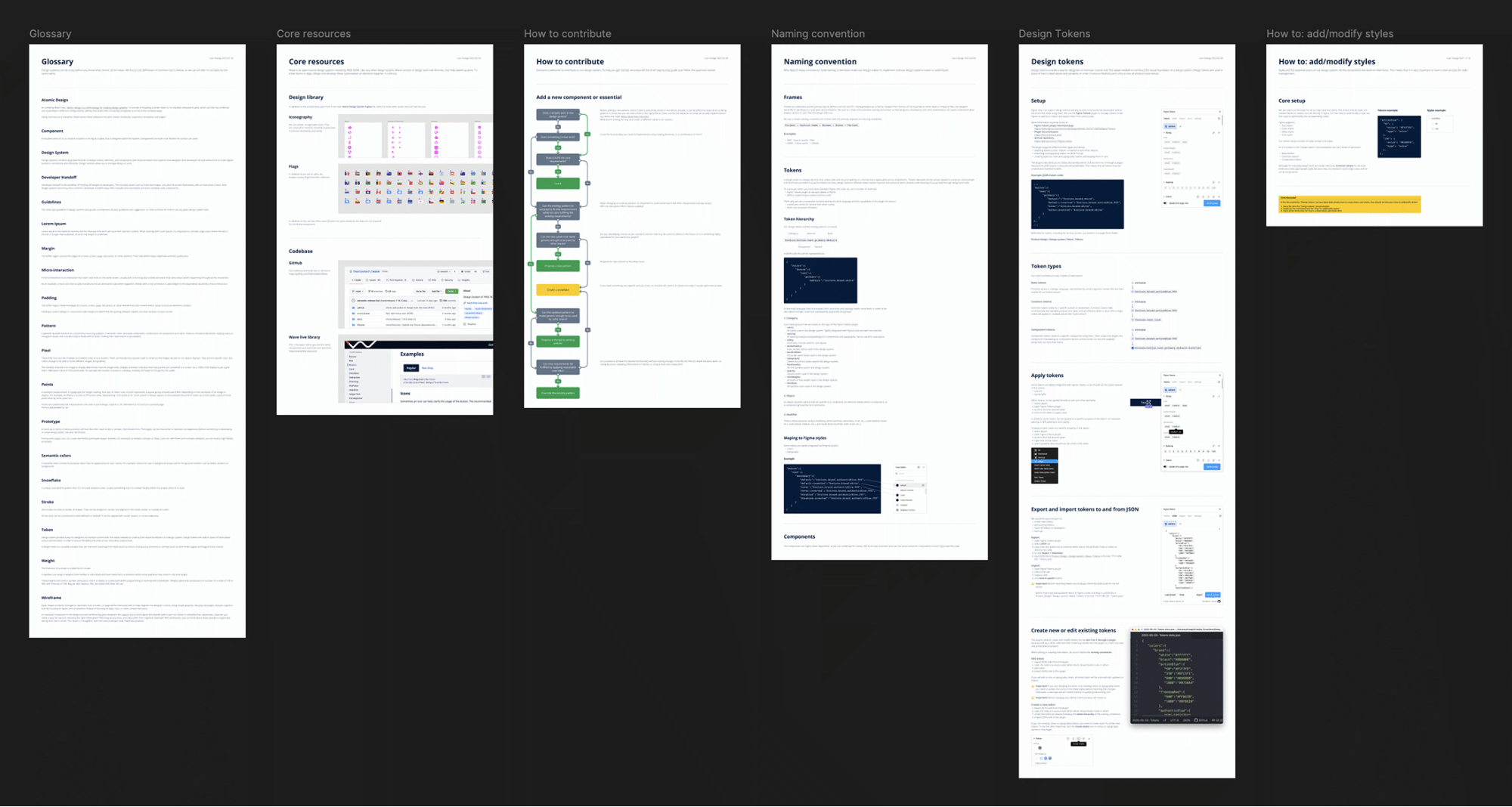
A formal contribution process was defined together with the team. Semantic Versioning was introduced for Figma library releases, giving consuming teams clear and predictable update cycles.
Adoption and feedback
A lightweight Customer Satisfaction process tracked how designers and developers used each component, surfacing friction and driving improvements. Design system adoption was actively promoted across product squads, working directly with Product Managers and Engineering Leads to demonstrate value and encourage participation.
Outcomes
The token system and naming conventions reduced design-to-code handoff friction across all product squads. The contribution process opened the library to participation beyond the core design system team. Satisfaction tracking turned Wave into a product that continuously improved based on real usage.
What people say
Besides being a great human being, Rafael is one of the most talented designers I have met so far. I worked with him on several projects and have always been impressed by his dedication, composure and knowledge.