transportation
The design challenge: redesigning a Carpooling app for a community that outgrew it
Leading redesign of carpooling app, from user research through a new UI system.
- Role
- Senior Product Designer
- Company
- Wunder Mobility
Product
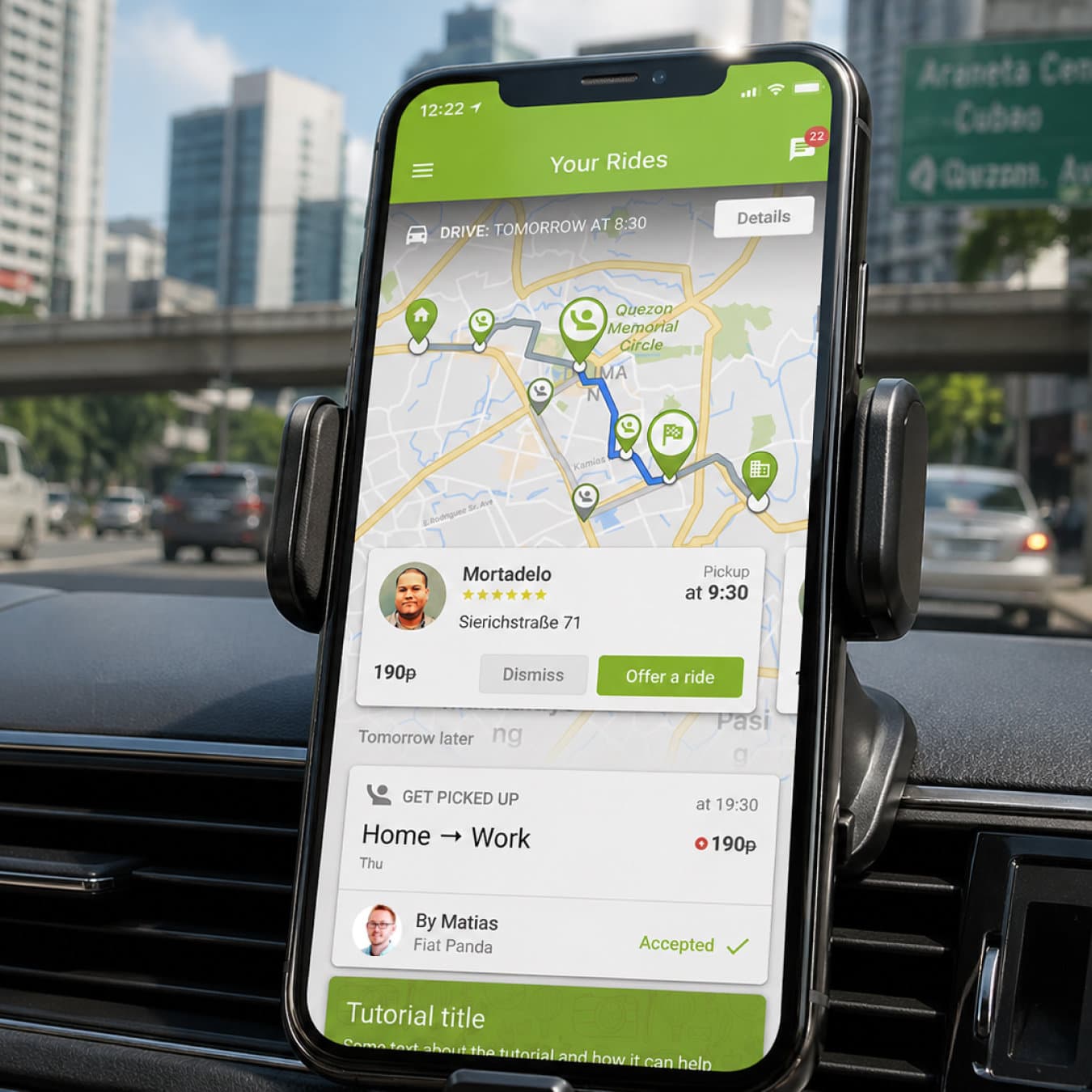
Wunder pioneered ride-hailing in Germany in 2014. In 2016, the company expanded into urban carpooling, launching in Manila, Philippines. The app connected daily commuters with drivers who had empty seats heading in the same direction. The barrier to entry was minimal — anyone with a car could sign up in a few clicks and start accepting passengers immediately.
Challenge
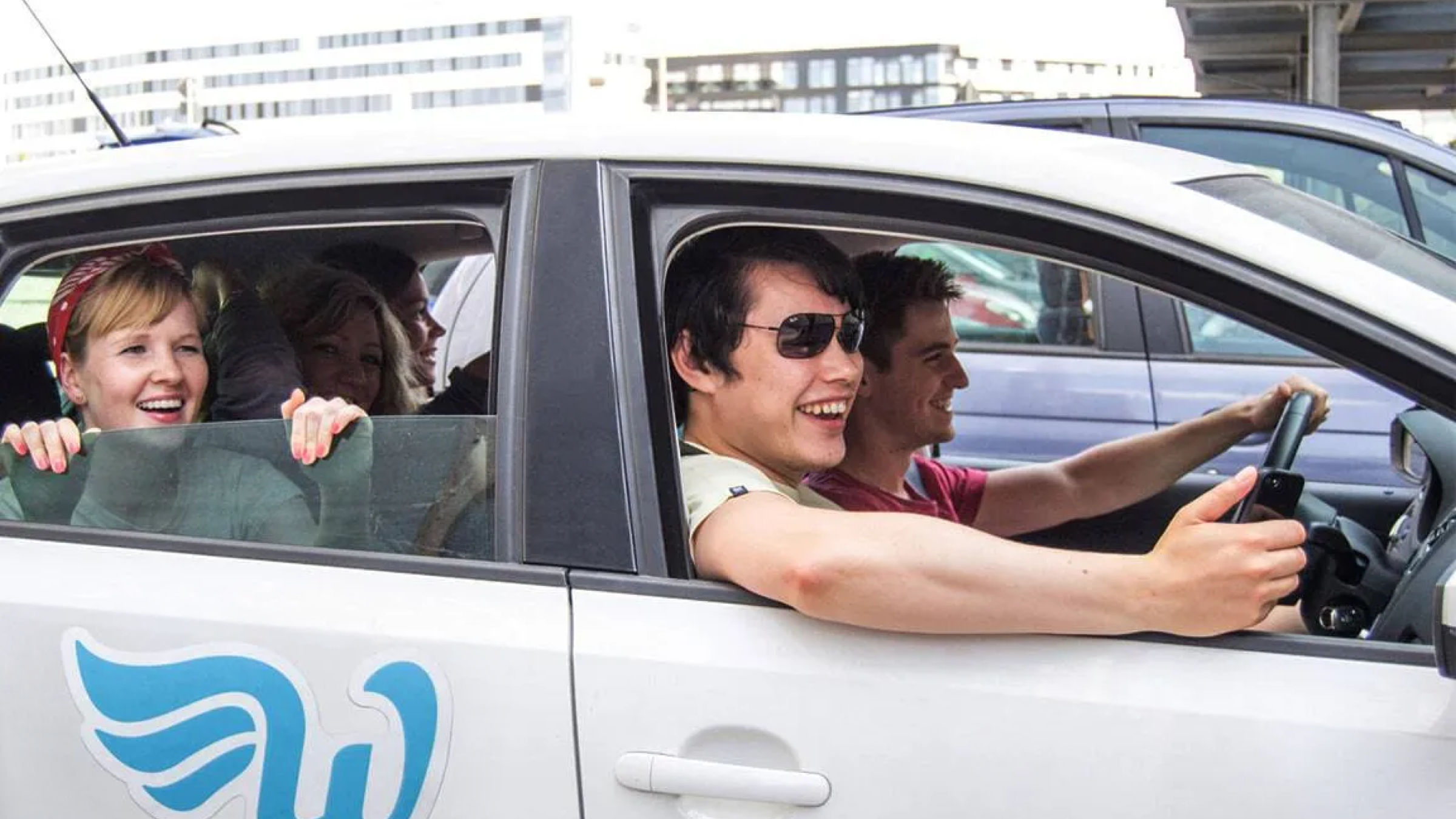
The product grew fast. Faster than the experience could keep up with: the app wasn't scaling well. Not technically — experientially. The usability no longer matched the size of the community or the expectations of its users.
Leadership tasked me directly with redesigning the product — from research through to developer-ready specifications.
Discovery
Interviews
I started with people, not screens.
I ran a series of user interviews across two groups: active users, and users who had reported core issues. This gave me more than a list of complaints — it revealed how people actually used the app, which scenarios repeated, and where friction was highest.
Competitive analysis
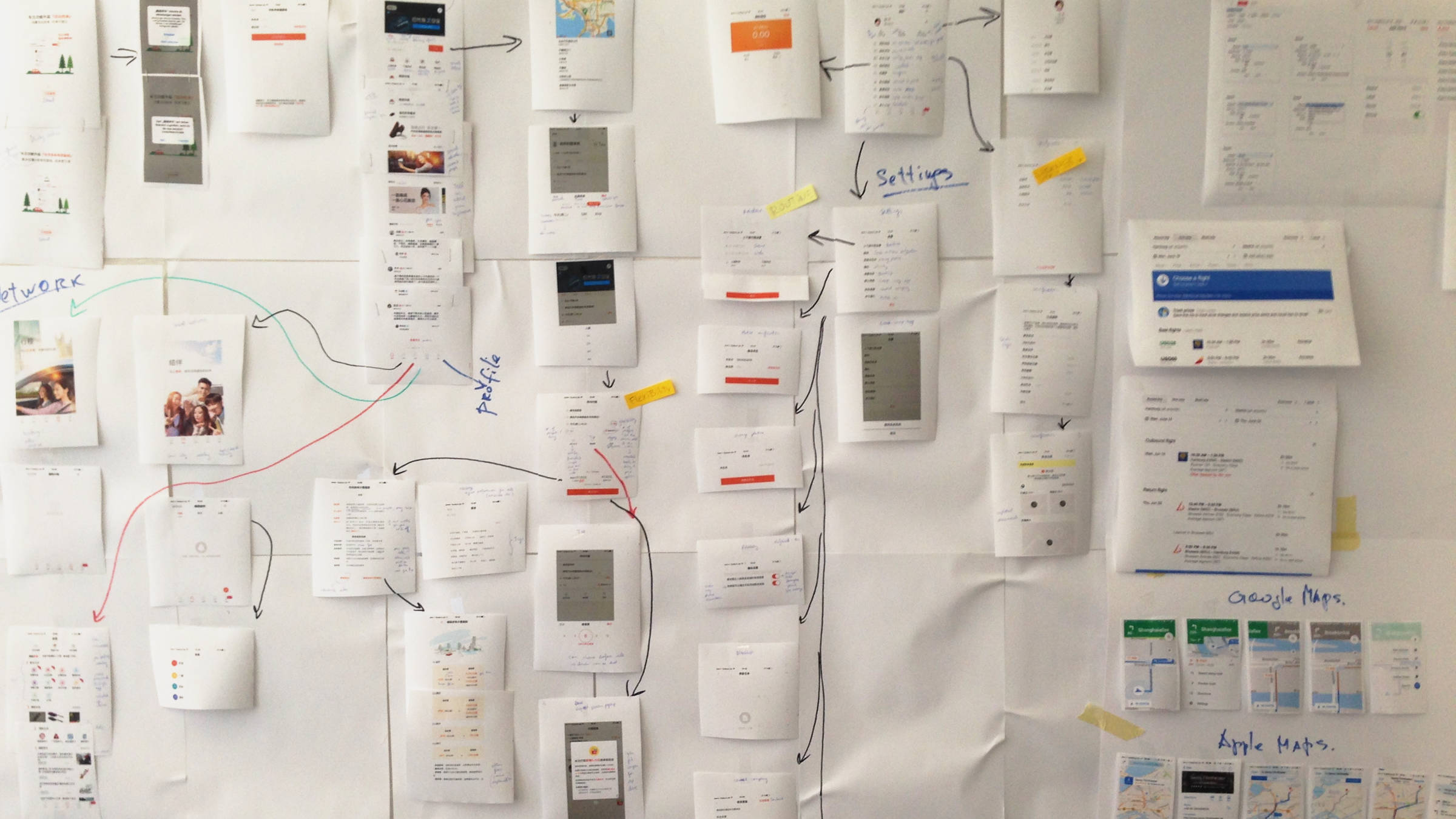
Alongside this, I conducted a competitive analysis: mapping user flows across direct carpooling competitors, leading ride-hailing and taxi platforms, and top navigation apps. The goal wasn't just to see what others were doing, but to understand why it worked.
Constraints
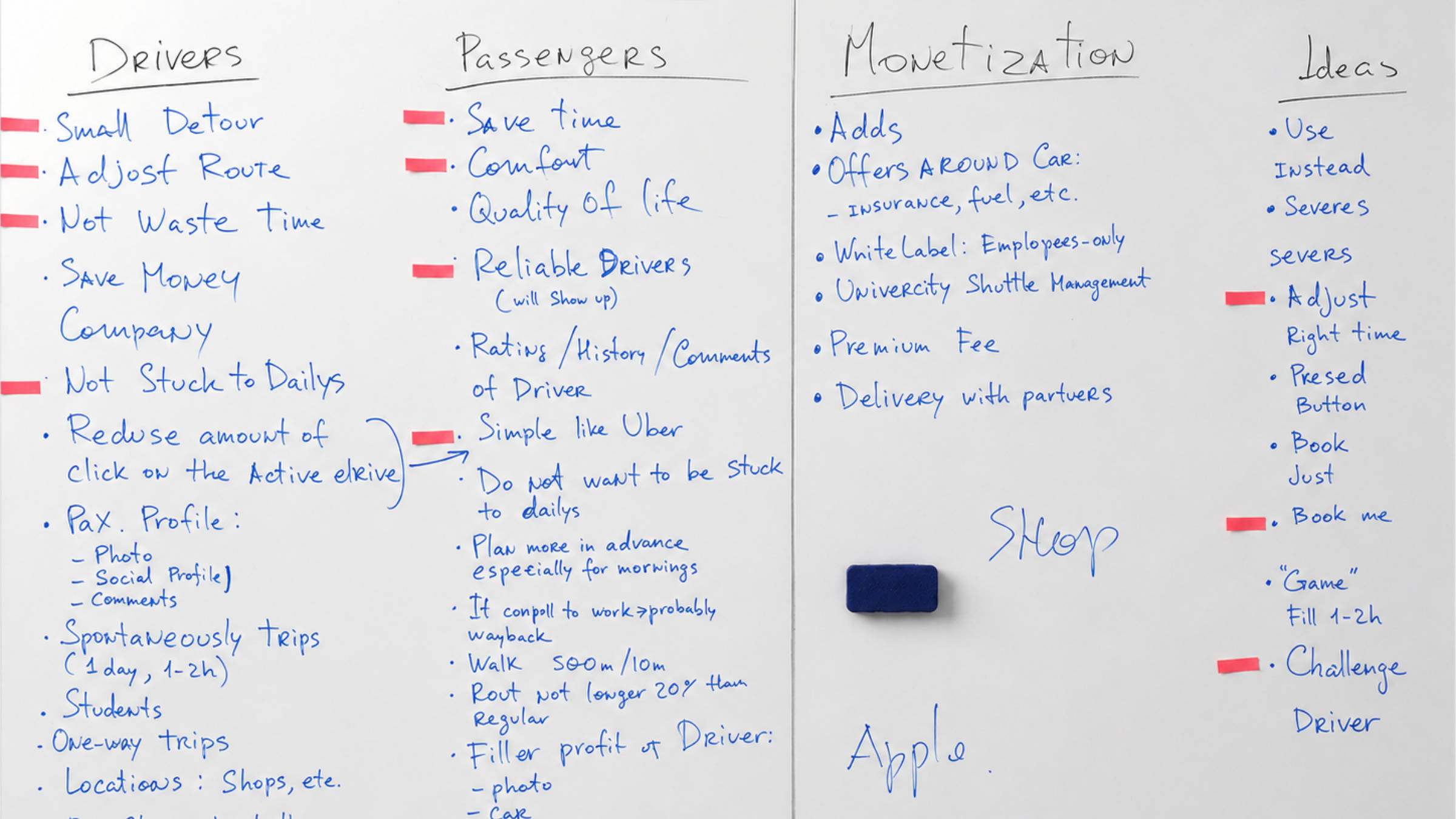
Before touching sketches, I also mapped all constraints: timeline, existing user habits within our community, Manila-specific regional context, and platform requirements. Knowing your boundaries before you start designing saves you from discovering them mid-prototype.
Design
Wireframing
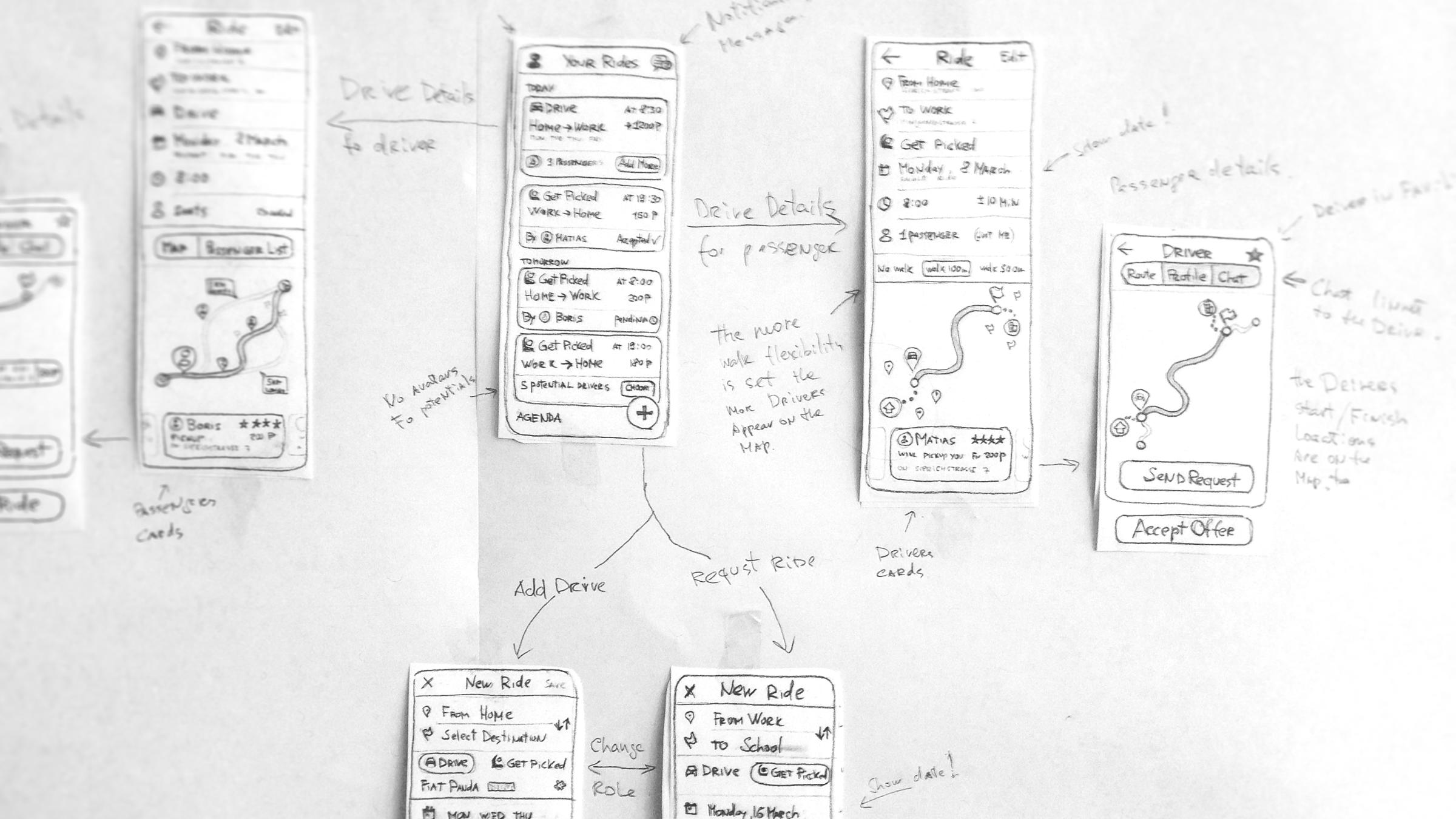
I started on paper. Sketching fast keeps you from getting attached to ideas too early. Once the core flows had shape, I moved to an interactive prototype.
The prototype was tested with a subset of the original interview participants — people who already had real context, not stand-ins for abstract personas.
Fine designs
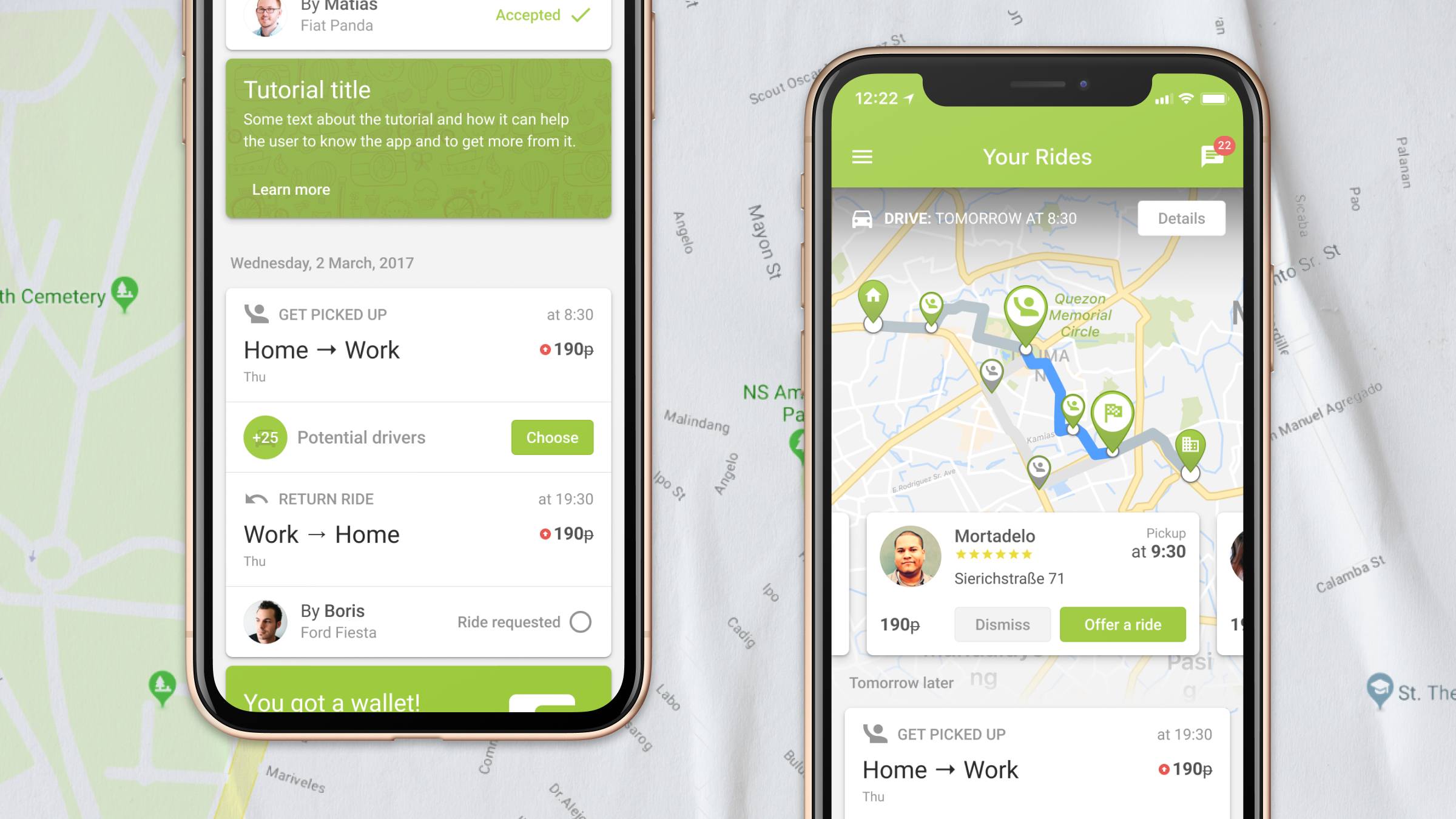
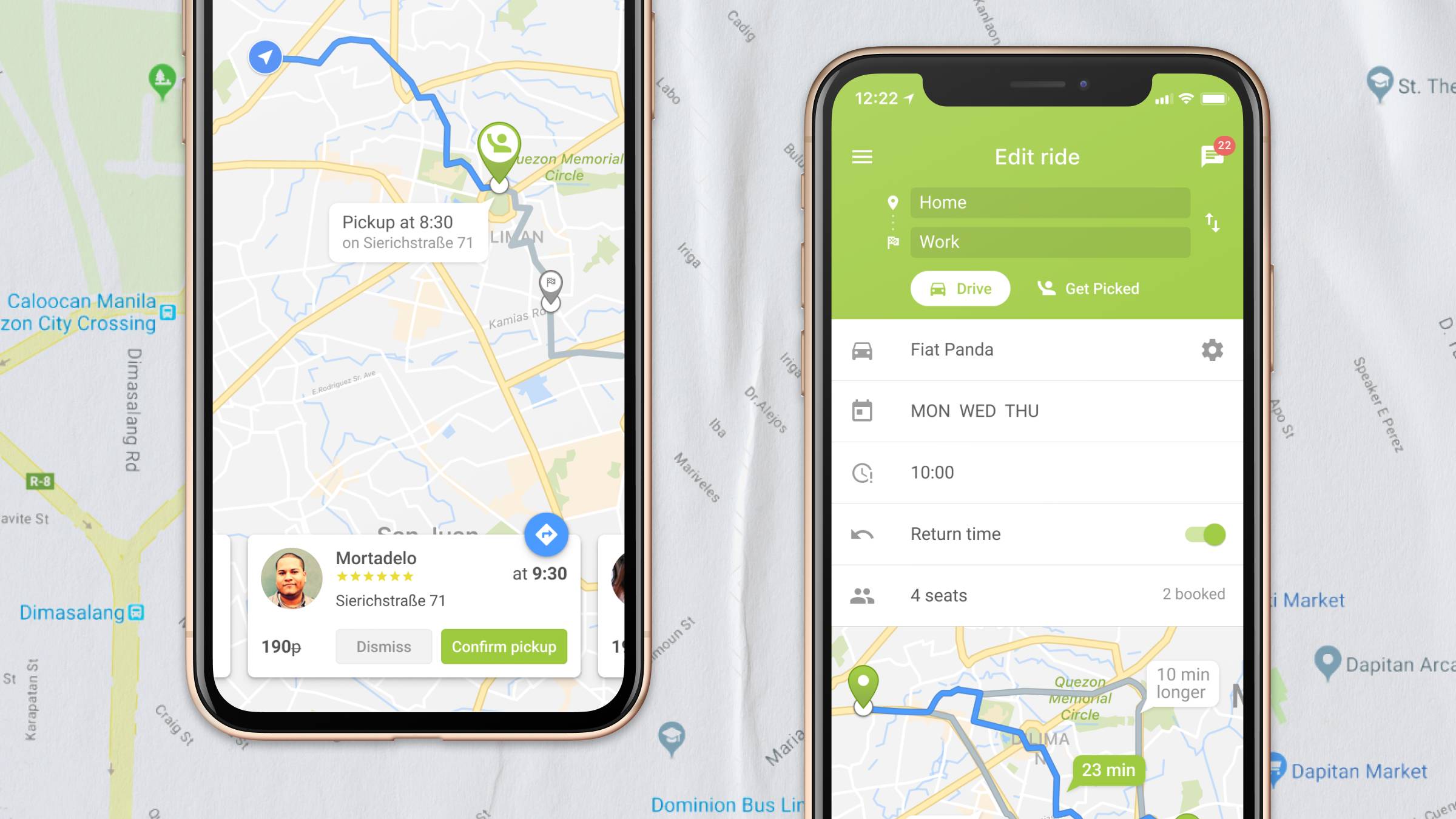
After validating the direction, I moved into high-fidelity design.
UI Kit
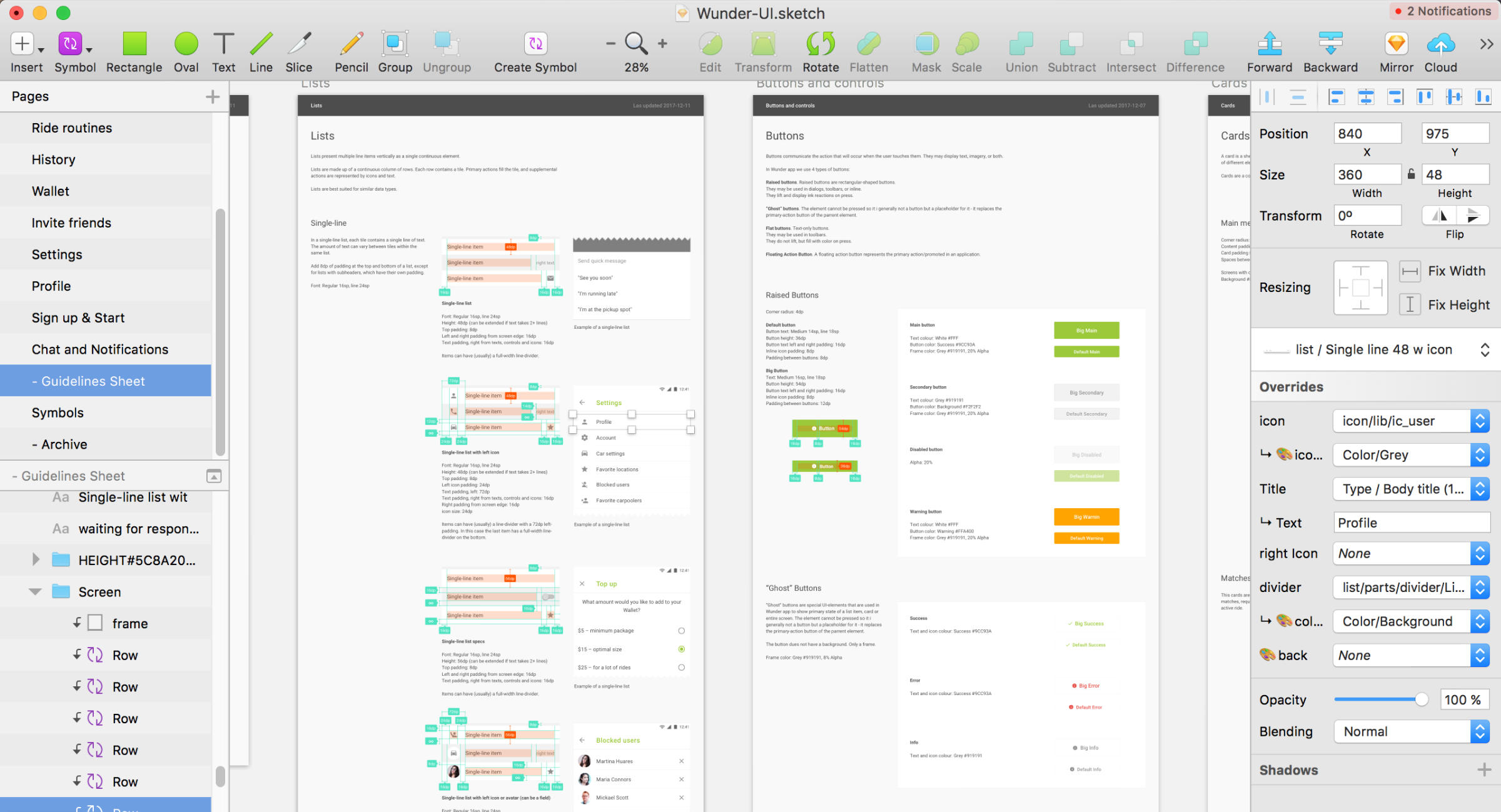
To maintain consistency and make the handoff straightforward, I built a UI Kit with usage guidelines and detailed implementation documentation for the engineering team.
Outcomes
The redesigned app shipped its first working version.
As often happens in startups, leadership made a strategic pivot shortly after launch. The carpooling product didn't get its next iteration — not because it failed, but because the company chose a different direction.
I spent exactly one year at Wunder. This project remains one of my most formative experiences of working autonomously end-to-end: from research to final design, under real constraints of time and resources. It's where I developed the habit I still rely on today: define your limits before you start designing, not after.
What people say
Rafael is one of the most interesting people I have ever come across to work with. It was quite impressive to realize his ability to deep dive into the analysis of any given problem, dissecting it into pieces with an engineering mindset, but still focusing on the user experience, keeping it as the main goal at all times.
Had Raphael as a great Mentor as a UX/UI Designer. We worked together and it was a pleasure to get to know someone with much more Experience in Design. Thanks for the Guidance.